Introduction
Pneumatic systems rely on compressed air to power machinery and automate processes across industries like manufacturing, automation, packaging, and material handling. At the heart of these systems are control components, essential devices that regulate airflow, pressure, direction, and timing. These components ensure precise, reliable, and efficient operation, making pneumatic systems a popular choice for industrial applications.
What Are Control Components in Pneumatics?
Control components in pneumatic systems primarily consist of various types of valves and regulators that manage the flow and direction of compressed air. They act as the “brain” of the system, directing air to actuators (like cylinders or motors) to perform mechanical work. Common control components include directional control valves, flow control valves, pressure regulators, solenoid valves, and manual valves such as foot-operated or hand-operated models.
These components allow operators to start, stop, reverse, or modulate air flow, ensuring safe and accurate control over pneumatic tools and machinery. Without high-quality control components, pneumatic systems would lack the precision needed for modern automation.
Types of Pneumatic Control Components
Pneumatic control components come in various configurations, often categorized by their port and position ratings (e.g., 2/2-way, 3/2-way, 5/2-way). Here are some common types:
- Directional Control Valves: These valves control the path of airflow, enabling actions like extending or retracting a cylinder. Popular series include 3V, 4V, and 5V valves, which are solenoid-operated or air-piloted for automated control.
- Solenoid Valves: Electrically actuated valves that provide quick and remote control. Models like the 4V Series or 2V Series are widely used for on/off or directional switching in automated systems.
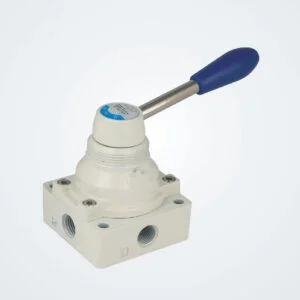
- Manual and Mechanical Valves: Including foot valves (e.g., 4F Series) and hand valves (e.g., 4R or 4HV Series), these allow direct operator intervention for tasks requiring human control.
- Flow Control Valves: Devices like the ASC Series or FV Series regulate air speed, preventing sudden movements and ensuring smooth operation.
- Other Specialized Valves: Options such as pull valves, push buttons, or plate-type valves (e.g., JM Series) offer versatility for specific applications.
These components are designed for durability, with features like corrosion-resistant materials and high cycle life.
How Pneumatic Control Components Work
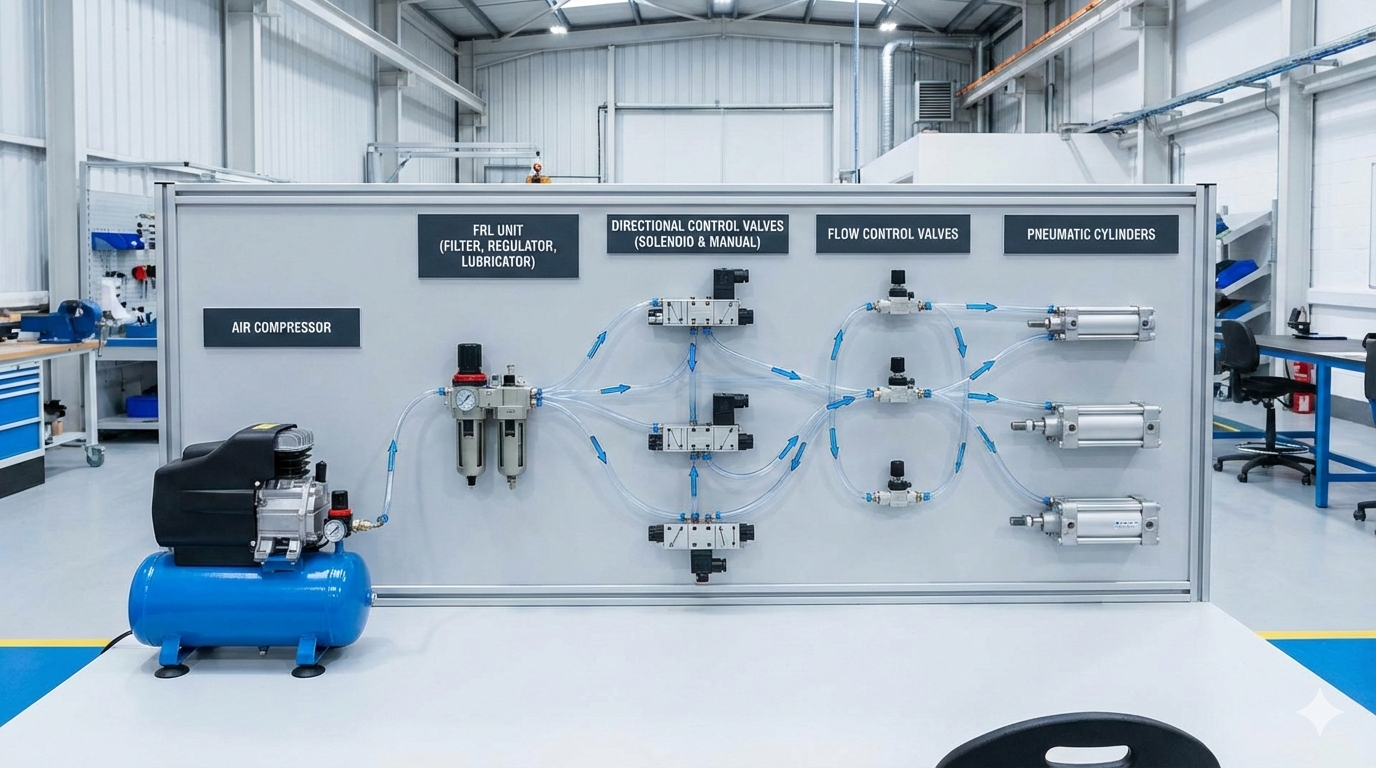
In a typical pneumatic circuit, compressed air from a compressor passes through filters, regulators, and lubricators (FRL units) before reaching the control components. A directional control valve, for instance, uses a spool or poppet mechanism to open or close ports, routing air to the desired actuator port.
Solenoid valves activate via an electric signal, shifting the valve position rapidly. Manual valves, like foot pedals, use mechanical force to achieve the same result. This simple yet robust design allows for reliable performance even in harsh environments.
Benefits of Quality Control Components
Investing in reliable control components offers several advantages:
- Precision and Efficiency: Accurate airflow control reduces energy waste and improves system response times.
- Safety: Features like quick exhaust or pressure relief prevent over-pressurization.
- Durability: High-quality valves withstand millions of cycles with minimal maintenance.
- Versatility: Compatible with various actuators and suitable for explosive or wet environments (unlike electrical systems).
- Cost-Effectiveness: Pneumatic systems with robust control components have lower operational costs compared to hydraulic or electric alternatives.
Applications of Pneumatic Control Components
Control components are indispensable in numerous industries:
- Manufacturing and Assembly Lines: For clamping, positioning, and robotic automation.
- Packaging: Controlling conveyors, fillers, and sealers.
- Automotive: In braking systems, tools, and assembly.
- Food and Beverage: Safe, clean operation in processing equipment.
- Construction and Mining: Powering tools and heavy machinery.
Their explosion-proof nature makes them ideal for hazardous areas.
Choosing the Right Control Components
When selecting control components, consider factors like operating pressure, flow rate, actuation type (solenoid, manual, or pilot), port size, and environmental conditions. Reputable suppliers offer a wide range of series to match specific needs, ensuring compatibility and long-term performance.
For a comprehensive selection of high-quality control components, explore options from trusted pneumatic suppliers. These components are key to building efficient, reliable pneumatic systems that drive productivity.
Discover premium control components designed for industrial excellence at Hosepneumatic. Enhance your pneumatic setup today for better control and performance.
About the Author