Understanding Vehicle LCD Display Technology
The automotive industry has witnessed a remarkable transformation in recent years, with vehicle LCD display technology playing a pivotal role in this evolution. From basic instrument clusters to sophisticated infotainment systems, modern vehicles rely heavily on high-quality displays to deliver information and entertainment to drivers and passengers alike. CDTech Electronics Vehicle LCD Display solutions represent the culmination of years of engineering expertise, offering automotive manufacturers reliable, high-performance display options for every application.
The Growing Importance of Automotive Displays
According to industry experts, the demand for automotive LCD display solutions continues to grow annually, driven by the perfect combination of high performance and cost-effectiveness. As vehicles become more connected and autonomous, the need for clear, reliable displays becomes increasingly critical. CDTech Electronics Vehicle LCD Display products address this growing demand with comprehensive solutions designed specifically for the unique challenges of the automotive environment.
What Is a Vehicle LCD Display?
A vehicle LCD display is a specialized liquid crystal display module engineered specifically for use in automotive applications. Unlike standard consumer displays, these units must withstand extreme temperatures, constant vibration, direct sunlight exposure, and years of continuous operation. CDTech Electronics Vehicle LCD Display solutions are built from the ground up to meet these demanding requirements.
Key Characteristics of Automotive Displays
Durability Requirements:
- Wide temperature operation (-30°C to +85°C)
- Vibration and shock resistance
- Long operational lifespan (50,000+ hours)
- UV resistance and sunlight readability
Performance Features:
- High brightness (400-1000+ nits)
- Wide viewing angles (IPS technology)
- Fast response times
- Multiple interface options
Complete Product Line: CDTech Electronics Vehicle LCD Display Solutions
Compact Displays (3.6″ – 5.0″)
Perfect for space-constrained applications, these compact vehicle LCD display solutions deliver impressive performance in small form factors.
S036BWS01EN – 3.6-inch TFT Display
This specialized automotive LCD display features:
- Resolution: 544 x 506 dots
- Brightness: 1000 nits (TYP)
- Interface: RGB
- Viewing Angle: IPS
- Operating Temperature: -30°C to +85°C
- Outline Dimensions: 98.88 x 94.12 x 7.71 mm
S043HWQ50EG – 4.3-inch TFT Display
A popular choice for various applications, this vehicle LCD display offers:
- Resolution: 480 x 272 dots
- Brightness: 1000 nits
- Interface: RGB 24-bit
- Viewing Angle: IPS
- Operating Temperature: -30°C to +85°C
- Outline Dimensions: 105.50 x 67.20 x 2.95 mm
S050HWV29ES – 5.0-inch TFT Display
This versatile automotive LCD display provides:
- Resolution: 800 x 480 dots
- Brightness: 1000 nits
- Interface: LVDS
- Viewing Angle: IPS
- Operating Temperature: -30°C to +85°C
- Outline Dimensions: 120.7 x 75.80 x 2.95 mm
Mid-Range Displays (6.8″ – 10.1″)
These popular sizes offer the perfect balance between screen real estate and installation flexibility for vehicle LCD display applications.
S068BWV01ND – 6.8-inch TFT Display
Ideal for various automotive applications:
- Resolution: 800 x 480 dots
- Brightness: 450 nits
- Interface: RGB
- Viewing Angle: IPS
- Operating Temperature: -30°C to +85°C
- Outline Dimensions: 165 x 100.00 x 5.5 mm
S070SWV35EG – 7.0-inch TFT Display
A high-performance automotive LCD display featuring:
- Resolution: 800 x 480 dots
- Brightness: 1000 nits
- Interface: LVDS
- Viewing Angle: 12 O’clock
- Operating Temperature: -30°C to +85°C
- Outline Dimensions: 164.9 x 100.0 x 5.7 mm
S101HWX53EP-FC47-AG – 10.1-inch TFT Display
This premium vehicle LCD display offers:
- Resolution: 1280 x 800 dots
- Brightness: 850 nits
- Interface: LVDS
- Viewing Angle: IPS
- Operating Temperature: -30°C to +80°C
- Outline Dimensions: 244.6 x 167.6 x 6.33 mm
Large Format Displays (12.3″ – 12.8″)
Designed for premium applications, these large automotive LCD display solutions deliver stunning visuals and exceptional performance.
S123AWU07ES – 12.3-inch TFT Display
A flagship vehicle LCD display with:
- Resolution: 1920 x 720 dots
- Brightness: 1000 nits
- Interface: 2-port LVDS
- Viewing Angle: IPS
- Operating Temperature: -30°C to +80°C
- Outline Dimensions: 312.40 x 134.86 x 7.30 mm
S128HWU01HP – 12.8-inch TFT Display
The ultimate automotive LCD display solution:
- Resolution: 1920 x 1080 dots
- Brightness: 700 nits
- Interface: LVDS
- Viewing Angle: IPS
- Operating Temperature: -30°C to +85°C
- Outline Dimensions: 294.4 x 175.0 x 6.5 mm
Key Advantages of CDTech Electronics Vehicle LCD Display
Superior Outdoor Visibility
One of the most critical requirements for any vehicle LCD display is the ability to remain readable in bright sunlight. CDTech Electronics Vehicle LCD Display solutions address this with exceptional brightness levels:
Brightness Options:
- Standard brightness: 400-500 nits
- High brightness: 750-850 nits
- Ultra-high brightness: 950-1000+ nits
Wide Temperature Operation
Unlike consumer displays, an automotive LCD display must function reliably in extreme temperatures. CDTech products are engineered for:
Temperature Specifications:
- Operating range: -20°C to +85°C (standard models)
- Extended range: -30°C to +85°C (premium models)
- Storage range: -40°C to +90°C
IPS Technology for Superior Viewing
Many CDTech Electronics Vehicle LCD Display models incorporate IPS technology, providing:
IPS Benefits:
- Consistent colors at all angles
- Minimal color shift
- Excellent contrast from any viewing position
- Ideal for passenger viewing
Rugged Mechanical Design
Automotive environments present unique challenges. Vehicle LCD display modules from CDTech feature:
Mechanical Advantages:
- Shock-resistant construction
- Vibration-dampening design
- Robust mounting options
- Enhanced durability
Common Applications for Automotive LCD Displays
Instrument Clusters
Modern instrument clusters rely heavily on vehicle LCD display technology to present critical information. CDTech’s high-brightness displays ensure that speed, fuel level, warning indicators, and navigation prompts remain clearly visible in all lighting conditions.
Center Stack Information Displays
The central console serves as the command center for vehicle functions. CDTech Electronics Vehicle LCD Display solutions provide the touch responsiveness and visual clarity needed for:
- Climate control interfaces
- Audio system management
- Vehicle settings configuration
- Smartphone integration displays
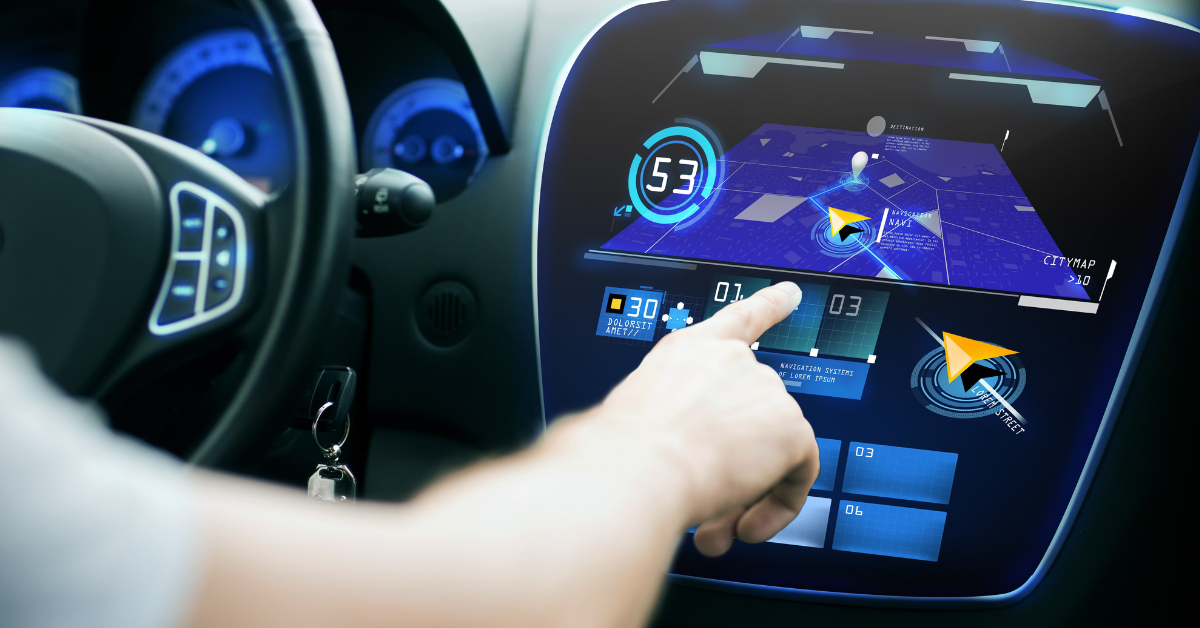
Navigation Systems
GPS navigation requires displays capable of showing detailed maps with precision. Automotive LCD display modules from CDTech deliver the resolution and color accuracy needed for:
- Turn-by-turn directions
- Traffic visualization
- Point-of-interest displays
- 3D map rendering
Rear-Seat Entertainment
Passenger entertainment systems benefit greatly from IPS technology. Vehicle LCD display solutions from CDTech enable:
- Multiple viewing angles
- Video playback
- Gaming interfaces
- Content sharing
Technical Specifications Deep Dive
Interface Options
CDTech Electronics Vehicle LCD Display products support multiple interface types to ensure compatibility with various system architectures:
RGB Interface:
Available on models like S043HWQ50HD and S050BWV100ES, RGB interfaces provide simple, direct connection for basic display applications.
LVDS Interface:
Featured on high-resolution models including S123AWU07ES and S101HWX53EP, LVDS supports longer cable runs and higher data rates.
MCU Interface:
Found on specialized models such as S043BWQ99HD, MCU interfaces offer direct microcontroller connectivity.
SPI Interface:
Available on certain models for low-power, simple control applications.
Customization and OEM Services
Why Choose Custom Solutions?
Every vehicle platform has unique requirements. CDTech Electronics Vehicle LCD Display customization services ensure perfect integration:
Customization Capabilities:
- Mechanical dimension modifications
- Touch panel integration with optical bonding
- Interface and connector customization
- Brightness optimization for specific applications
- Cover glass and enclosure design
- Cable assembly customization
The Optical Bonding Advantage
Many vehicle LCD display applications benefit from optical bonding technology:
Optical Bonding Benefits:
- Eliminates air gap between LCD and cover glass
- Reduces internal reflections by 50%+
- Improves sunlight readability
- Prevents condensation
- Enhances impact resistance
- Increases structural integrity
Quality Assurance and Certification
IATF16949 Certification
CDTech’s commitment to quality is validated by IATF16949 certification, the international standard for automotive quality management systems. This certification ensures:
Quality Management Features:
- Defect prevention methodologies
- Continuous improvement processes
- Supply chain quality control
- Risk management protocols
- Traceability throughout production
Rigorous Testing Protocols
Every automotive LCD display undergoes comprehensive testing:
Environmental Testing:
- Temperature cycling (-40°C to +90°C)
- Humidity exposure (95% RH)
- Thermal shock testing
- UV exposure testing
Mechanical Testing:
- Vibration testing (random and sinusoidal)
- Mechanical shock testing
- Drop testing
- Touch durability testing
How to Select the Right Vehicle LCD Display
Step 1: Define Application Requirements
Begin by clearly defining your application needs:
- What information will the display present?
- Where will it be installed in the vehicle?
- Who will view it (driver only or passengers)?
- What environmental conditions will it face?
Step 2: Determine Technical Specifications
Based on your application, identify required specifications:
- Screen size and aspect ratio
- Resolution requirements
- Brightness needs (consider sunlight exposure)
- Interface compatibility with your system
- Temperature range requirements
- Mechanical space constraints
Step 3: Consider Touch Interface Needs
Decide whether touch functionality is required:
- Resistive touch for glove-friendly operation
- Capacitive touch for premium feel
- Projected capacitive for multi-touch
- Optical bonding for enhanced durability
Step 4: Review Standard Options
Explore CDTech’s extensive catalog of vehicle LCD display products to identify models matching your baseline requirements.
Step 5: Explore Customization Options
If standard products don’t perfectly match your needs, discuss customization possibilities with CDTech’s engineering team.
Installation Considerations for Vehicle LCD Displays
Mounting Locations
CDTech Electronics Vehicle LCD Display modules can be installed in various locations:
Dashboard Integration:
- Flush mounting for seamless appearance
- Angled positioning for optimal viewing
- Sun-visor integration for glare reduction
Center Console:
- Vertical or horizontal orientation
- Angled toward driver or centered
- Integrated with climate controls
Rear Seat Entertainment:
- Headrest mounting
- Overhead console installation
- Seat-back integration
Environmental Protection
Proper installation ensures long-term reliability:
Protection Considerations:
- Seal against dust and moisture
- Provide adequate ventilation
- Shield from direct heat sources
- Secure against vibration
Frequently Asked Questions
What is the typical lifespan of a vehicle LCD display?
CDTech Electronics Vehicle LCD Display products are designed for the full life of the vehicle, typically exceeding 50,000 hours of continuous operation under normal conditions.
Can these displays be used in direct sunlight?
Yes. With brightness options ranging from 400 to 1000+ nits, automotive LCD display solutions from CDTech are specifically engineered for excellent sunlight readability.
What temperature ranges can these displays withstand?
Most vehicle LCD display models operate from -20°C to +85°C, with premium models extending to -30°C to +85°C. Storage temperatures range from -40°C to +90°C.
Are these displays suitable for electric vehicles?
Absolutely. CDTech Electronics Vehicle LCD Display products are ideal for EV applications, providing the reliability and efficiency needed for modern electric vehicle interfaces.
What is the difference between RGB and LVDS interfaces?
RGB interfaces provide parallel data transmission suitable for shorter distances and lower resolutions. LVDS uses differential signaling for longer cable runs and higher resolution support, making it ideal for large automotive LCD display applications.
Can I get a custom size display?
Yes. CDTech offers comprehensive OEM and ODM services to create custom vehicle LCD display solutions tailored to your specific requirements.
What is optical bonding and do I need it?
Optical bonding fills the air gap between the LCD and cover glass with optical adhesive. This improves sunlight readability, prevents condensation, and enhances structural integrity. It’s particularly valuable for outdoor-visible automotive LCD display applications.
Conclusion: The Future of Automotive Display Technology
As vehicles continue to evolve toward greater connectivity, automation, and electrification, the importance of high-quality displays will only increase. CDTech Electronics Vehicle LCD Display solutions are positioned at the forefront of this evolution, offering the performance, reliability, and customization options needed for tomorrow’s automotive applications.
About the Author