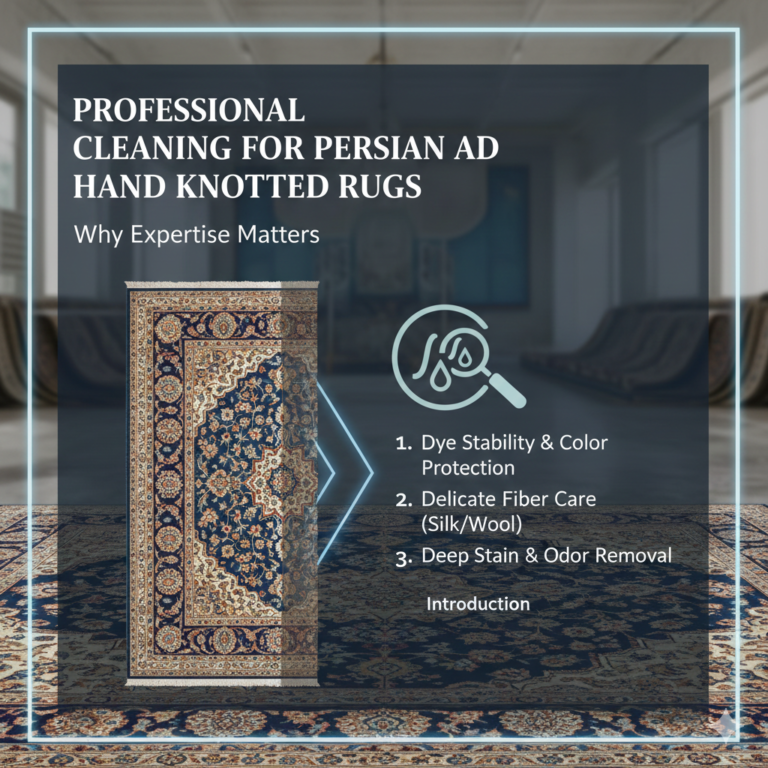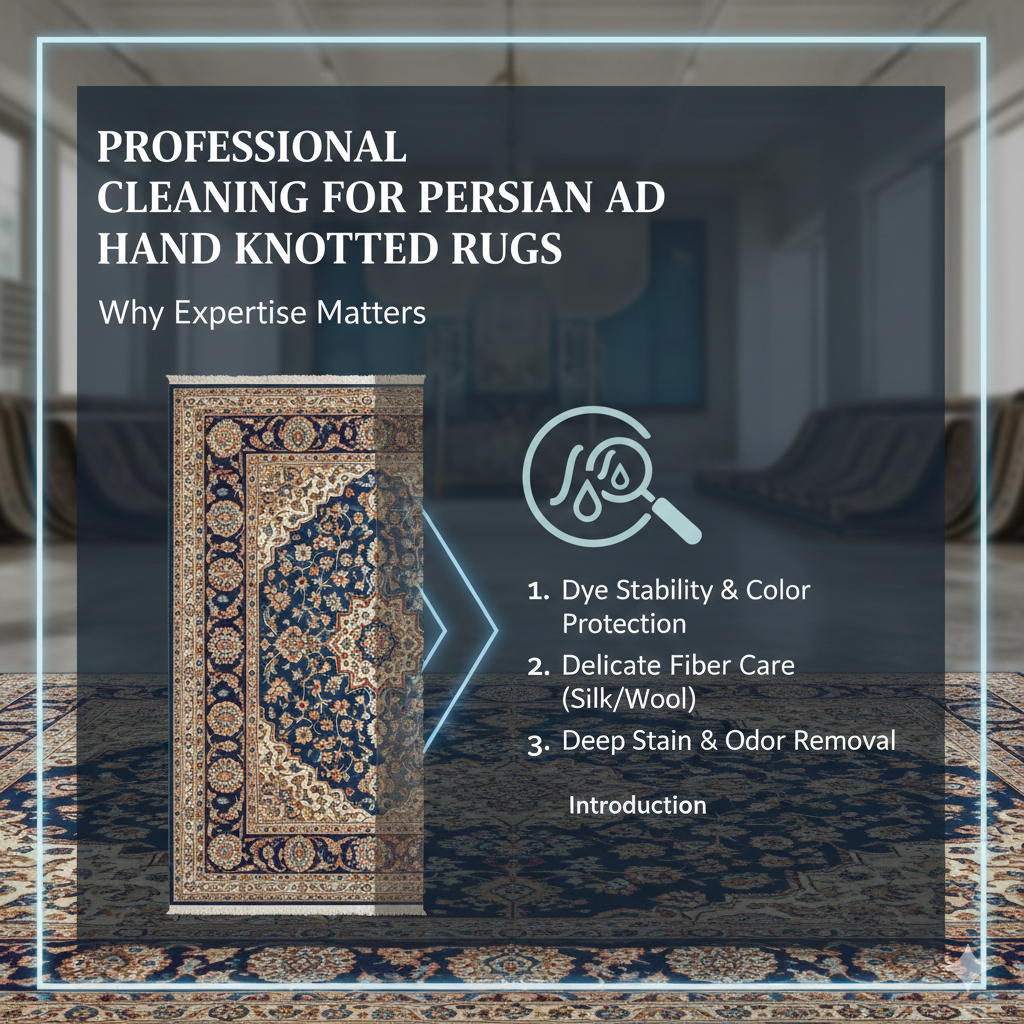
Introduction
Persian and hand knotted rugs represent one of the highest forms of textile craftsmanship. These pieces are not simply decorative floor coverings. They are works of art created through labor intensive techniques, often reflecting centuries of cultural tradition and design evolution. Many owners view their rugs as long term investments or treasured heirlooms. Because of their intricate construction and delicate materials, maintenance requires a specialized approach. Professional cleaning is not merely about improving appearance. It is about preserving fiber integrity, stabilizing dyes, and protecting structural durability. Understanding why expertise matters can help rug owners avoid costly mistakes and ensure their rugs remain beautiful for generations. READ MORE
Understanding the Craftsmanship Behind Persian and Hand Knotted Rugs: Handcrafted Construction
Unlike machine made rugs, Persian and hand knotted rugs are created one knot at a time. Skilled artisans tie thousands or even millions of knots onto a foundation, forming patterns that range from complex floral compositions to geometric designs. This method produces exceptional durability, but it also introduces structural sensitivity. Each knot contributes to the rug’s stability, tension, and overall balance. Improper cleaning techniques can disrupt this delicate construction, causing distortion or weakening of the weave.
Natural Fibers and Materials
Traditional Persian rugs are commonly made from wool, silk, or a combination of both. Wool offers resilience and softness, while silk introduces sheen and intricate detail. These natural fibers behave differently from synthetic materials. Wool reacts to moisture and pH balance. Silk demands extremely gentle handling. Both fibers are vulnerable to aggressive cleaning agents, excessive heat, and improper drying conditions.
Natural Dye Systems
Many Persian rugs utilize natural dyes derived from plants, minerals, or insects. These dyes create rich, nuanced colors, but they may also respond unpredictably to water exposure and chemical treatments. Dye bleeding and color migration are significant risks when cleaning is performed without proper testing and control.
Why Professional Expertise Is Essential: The Risks of Generic Cleaning Methods
Standard carpet cleaning techniques are not designed for hand-knotted rugs. Steam cleaning, high pressure extraction, and harsh detergents can damage fibers and destabilize dyes. Excessive moisture may weaken the rug’s foundation or backing. Aggressive agitation can loosen knots. Even well intentioned household cleaning attempts may leave residues that attract dirt or cause uneven discoloration.
Professional expertise minimizes these risks by tailoring treatment to the rug’s specific composition.
Fiber Identification and Diagnostic Evaluation
Expert cleaning begins with analysis. Specialists evaluate fiber type, dye stability, knot density, and structural condition. This diagnostic phase determines the safest cleaning strategy. Without such evaluation, cleaning becomes guesswork, increasing the likelihood of permanent damage.
Dye Stability Testing
Colorfastness testing is a critical step in Persian Rug Cleaning. Professionals assess how dyes react to moisture and cleaning solutions. This process prevents unwanted color bleeding and preserves pattern clarity.
Deep Soil Removal Without Structural StressThe Hidden Impact of Soil
Dirt accumulation is not merely cosmetic. Microscopic particles settle deep within fibers where they behave like abrasive grit. With repeated foot traffic, these particles grind against fibers, accelerating wear and dulling texture. Vacuuming removes surface debris but cannot extract deeply embedded contaminants.
Specialized Dusting Techniques
Professional cleaners use controlled dust removal systems designed to extract particulate matter from the rug’s foundation. This step is essential before washing begins. Removing dry soil prevents mud formation, reduces fiber abrasion, and improves overall cleaning effectiveness.
Controlled Washing That Preserves Fiber IntegrityBalancing Moisture and Cleaning Chemistry
Washing Persian and hand knotted rugs requires precision. Moisture levels must be carefully controlled to avoid over saturation. Cleaning solutions must align with fiber sensitivity. Wool benefits from balanced pH treatment. Silk requires extremely gentle chemistry. Improper chemical selection may weaken fibers or strip natural oils essential for resilience.
Gentle Agitation and Soil Suspension
Unlike aggressive carpet cleaning equipment, professional rug washing relies on methods that suspend and release contaminants without damaging knots or pile structure. The objective is thorough cleansing combined with structural preservation.
Residue Elimination
Incomplete rinsing or improper detergent use may leave residues that attract soil. Expert cleaning ensures contaminants and cleaning agents are fully removed, maintaining fiber clarity and softness.
Stain and Odor Management for Natural FibersComplex Stain Behavior
Natural fibers respond differently to stains compared to synthetic materials. Liquids, oils, and dyes interact uniquely depending on fiber structure. Incorrect stain removal attempts may worsen discoloration or cause dye migration.
Professional Persian Rug Cleaning evaluates stain composition before selecting safe removal techniques.
Odor Neutralization
Odors often originate from deeply embedded organic matter. Surface treatments may temporarily mask smells but fail to eliminate the source. Professional cleaning removes odor causing contaminants while preserving fiber stability.
The Critical Role of Drying and FinishingPreventing Moisture Related Damage
Improper drying presents serious risks. Prolonged moisture exposure may lead to mold growth, fiber weakening, or structural distortion. Professionals control temperature, airflow, and humidity to stabilize fibers.
Maintaining Shape and Tension
Hand knotted rugs rely on balanced tension. Controlled drying prevents shrinkage, warping, and uneven stress across the foundation.
Grooming and Texture Restoration
Finishing processes realign fibers, restore pile orientation, and enhance visual clarity. This step helps preserve the rug’s original aesthetic character.
Comparing Persian and Oriental Rug Cleaning ConsiderationsShared Principles and Distinct Variables
Persian Rug Cleaning and Oriental Rug Cleaning share foundational principles, including fiber sensitivity and dye stabilization. However, regional construction techniques, knot styles, and dye traditions introduce variations requiring experienced handling.
Expertise ensures cleaning methods adapt to these distinctions.
When Cleaning Alone Is Not Enough: Structural Issues and Rug Repair
Over time, even well maintained rugs may develop edge wear, fringe damage, or localized weakness. Rug Repair addresses these concerns while preserving the rug’s design continuity.
Corrective Care Through Rug Restoration
Rug Restoration becomes relevant when rugs experience distortion, color irregularities, or fiber degradation. Restoration requires advanced skill to stabilize structure without compromising authenticity.
Evaluating Experience and Methodology
Selecting a rug cleaning provider should involve more than convenience or price comparison. Experience with Persian and hand knotted rugs is essential. Proper inspection protocols, controlled cleaning environments, and fiber specific treatment strategies distinguish true specialists.
The Value of Long Term Preservation
Professional cleaning protects more than appearance. It safeguards the rug’s longevity, value, and structural integrity. Preventative care reduces the likelihood of costly repairs or irreversible damage.
Conclusion
Persian and hand knotted rugs embody artistry, heritage, and craftsmanship. Their maintenance demands expertise that respects fiber sensitivity, dye stability, and structural complexity. Professional cleaning removes deeply embedded contaminants while preserving integrity and beauty. With specialized care, these remarkable textiles continue to enrich interiors while retaining their timeless character.
About the Author