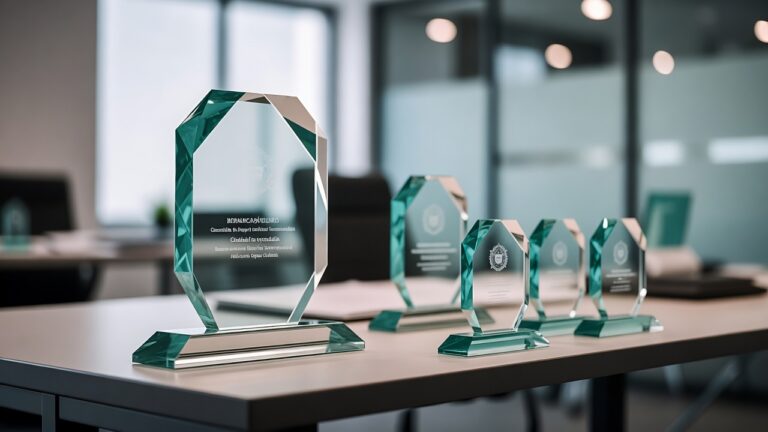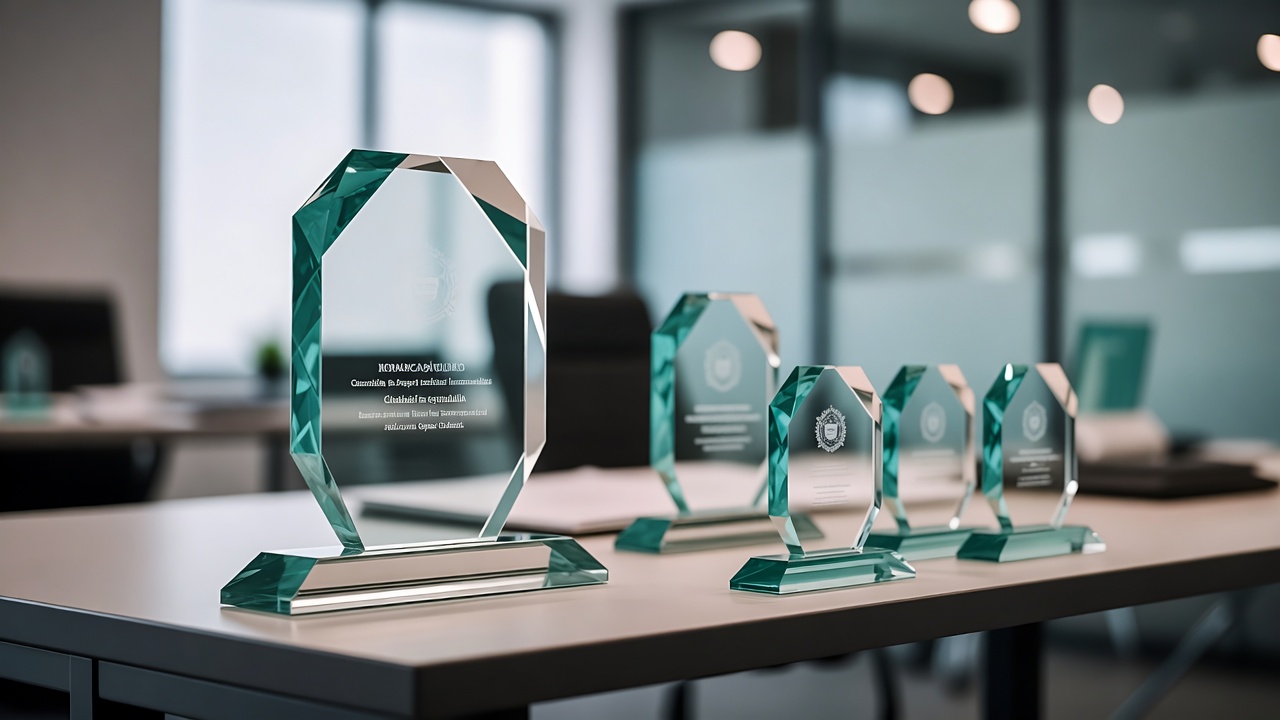
In today’s evolving workplace culture, recognition has become more than a yearly ritual. It is a strategic tool for building engagement, reinforcing values, and celebrating meaningful contributions. Among the many forms recognition can take, glass awards have quietly established themselves as one of the most versatile and enduring choices.
Rather than being flashy or overly ornate, glass offers something subtler: clarity, symbolism, and modern design flexibility. Understanding why these awards remain popular can help organizations design recognition programs that feel thoughtful instead of routine.
The Symbolism Behind Glass
Glass carries a quiet but powerful symbolism. Its transparency often represents:
- Integrity
- Honesty
- Clarity of purpose
- Achievement earned through visible effort
Unlike materials that rely on weight or sparkle for impact, glass communicates refinement through simplicity. In professional environments where credibility and professionalism matter, that restraint can be meaningful.
The clean lines and reflective surfaces also align well with contemporary office aesthetics. A glass award displayed in a workspace feels intentional rather than decorative.
A Brief Look at the Evolution of Recognition Awards
Recognition trophies have evolved significantly over time:
- Early awards were often metallic cups or plaques modeled after sporting traditions.
- Mid-20th century corporate awards leaned heavily toward wood plaques with engraved plates.
- Modern recognition pieces prioritize design, minimalism, and personalization.
Glass became increasingly popular as laser engraving and precision cutting technologies improved. These advancements allowed for:
- Intricate etching
- Detailed logo reproduction
- Custom shapes
- Full-color printing on flat surfaces
The result is an award that feels contemporary without being trendy.
Glass vs. Crystal: Understanding the Difference
The terms are often used interchangeably, but there are technical distinctions.
Glass awards are typically made from soda-lime or low-iron glass. They are:
- Lighter in weight
- More cost-effective
- Ideal for laser engraving or UV printing
Crystal awards, by contrast, are heavier and more refractive, offering a prism-like sparkle. They are often associated with executive-level or high-tier recognition.
For many organizations, glass provides a practical balance between elegance and scalability—particularly when recognizing multiple recipients at once.
Design Versatility and Shapes
One of the most appealing aspects of glass awards is their adaptability in design. Common shapes include:
- Rectangles and plaques
- Circles and ovals
- Flames and waves
- Diamonds and shields
- Sculptural art-glass forms
Each shape subtly communicates a different tone. For example:
- Flame designs often symbolize passion and leadership.
- Wave shapes can represent progress and forward motion.
- Diamond cuts suggest excellence and high standards.
Those exploring contemporary recognition options can see the range of styles available in modern glass awards, which reflect how diverse this category has become in recent years.
Why Glass Works Well in Corporate RecognitionProfessional Aesthetic
Glass naturally complements office interiors. Its transparency avoids visual clutter, making it suitable for display in executive offices, conference rooms, and reception areas.
Customization Without Overdesign
Modern engraving methods allow for detailed personalization:
- Names and titles
- Achievement descriptions
- Corporate logos
- Event dates
- Full-color branding elements
Because the material itself is understated, customization rarely feels overwhelming.
Scalable Recognition Programs
Organizations that run employee-of-the-month programs, service anniversaries, or annual performance awards often need a solution that is:
- Consistent
- Durable
- Budget-conscious
- Visually cohesive
Glass satisfies these requirements while still feeling refined.
Practical Considerations
Although glass is durable when properly handled, it is still more fragile than acrylic. Most awards are produced from thick, polished panels and shipped in protective packaging. With normal care, they remain pristine for years.
When selecting a design, it is useful to consider:
- Display environment (desk, shelf, or cabinet)
- Weight preferences
- Level of personalization needed
- Shipping logistics for distributed teams
These factors often influence shape and thickness choices more than aesthetics alone.
The Psychology of Tangible Recognition
Research on workplace engagement consistently shows that tangible recognition can reinforce positive behavior patterns. A physical award differs from a digital badge or email acknowledgment because it:
- Serves as a visible reminder of accomplishment
- Signals public appreciation
- Creates a lasting milestone
Glass, in particular, reflects light and surroundings, subtly drawing attention without demanding it. That understated presence can reinforce pride without appearing excessive.
A Material That Reflects Achievement
Recognition tools often mirror the values of the institutions that use them. Materials like metal suggest strength, wood suggests tradition, and crystal suggests prestige. Glass occupies a unique middle ground—modern, refined, and adaptable.
Its transparency can symbolize openness. Its polish can symbolize excellence. Its simplicity can symbolize clarity of achievement.
As organizations continue to rethink how they recognize people—prioritizing authenticity over extravagance—glass remains a compelling option not because it is loud, but because it is clear.
About the Author