https://www.raizedup.com/blog/everything-you-need-to-know-about-custom-tennis-uniforms
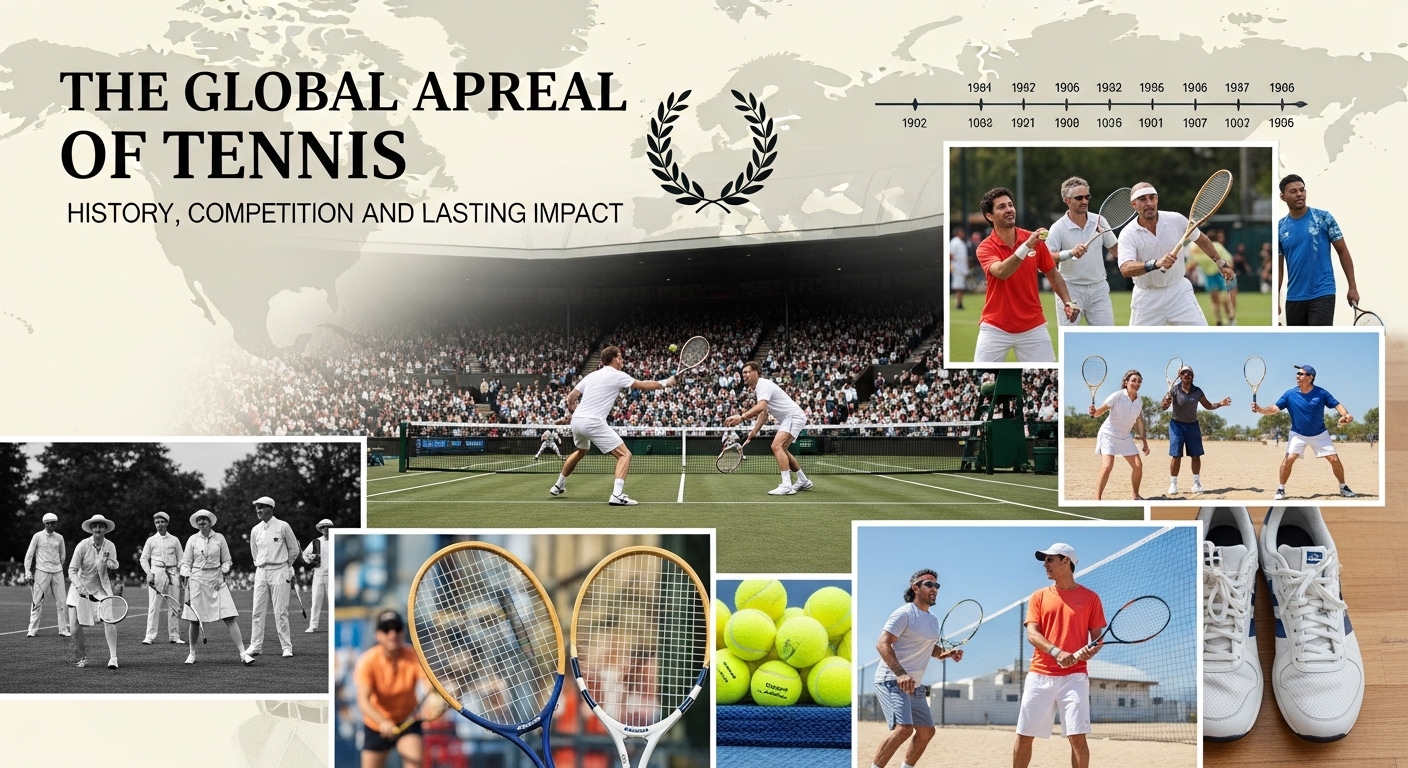
Tennis is one of the most recognized and widely played sports in the world, blending athleticism, strategy, endurance, and mental strength into a uniquely demanding game. From neighborhood public courts to the sport’s most prestigious international tournaments, tennis offers both recreational enjoyment and elite-level competition. Its accessibility, global reach, and rich tradition have helped it remain relevant and popular for well over a century.
Modern tennis traces its origins to late 19th-century England, evolving from earlier racket sports into what became known as “lawn tennis.” As the sport gained structure and formal rules, major tournaments began to emerge. Today, the four Grand Slam tournaments—the Australian Open, French Open, Wimbledon, and US Open—represent the highest level of competition in professional tennis. These events not only showcase the world’s top talent but also reflect the sport’s deep traditions and international appeal. Governing bodies such as the ATP (Association of Tennis Professionals) and the WTA (Women’s Tennis Association) organize professional tours and rankings, ensuring a structured competitive landscape throughout the year.
One of the defining characteristics of tennis is its variety of playing surfaces. The three primary court types—hard, clay, and grass—each influence the pace and style of play. Hard courts provide a consistent and balanced bounce, making them suitable for all-around players. Clay courts slow the ball and create higher bounces, favoring endurance and strong baseline rallies. Grass courts, by contrast, produce faster points and lower bounces, rewarding powerful serves and quick reflexes. This diversity requires athletes to adapt their strategies and footwork depending on the surface, adding complexity and depth to the sport.
At its core, tennis is played either in singles (one player per side) or doubles (two players per side). The objective is straightforward: hit the ball over the net and into the opponent’s court in a way that prevents a successful return. However, beneath this simplicity lies a nuanced scoring system and a wide array of technical skills. Players rely on serves, forehands, backhands, volleys, slices, and topspin shots to gain an advantage. Matches are divided into sets, with professional men’s Grand Slam matches typically played as best-of-five sets and most other matches as best-of-three.
Beyond physical skill, tennis is equally a mental battle. Players must maintain concentration during long rallies, momentum swings, and high-pressure moments. Unlike many team sports, tennis competitors are alone on the court, responsible for making tactical adjustments without real-time coaching in most professional settings. This independence places a premium on composure, confidence, and strategic thinking.
Physically, the sport demands speed, agility, strength, and endurance. Matches can last several hours, requiring athletes to sustain peak performance over extended periods. Training programs often combine cardiovascular conditioning, strength training, flexibility work, and technical drills to prepare players for competition. Proper recovery and injury prevention are also critical, given the repetitive movements and high-intensity bursts common in the game.
Tennis equipment has evolved significantly over time. While the essentials remain simple—a racket, ball, appropriate footwear, and a court—modern rackets are constructed from lightweight graphite and advanced composite materials that enhance power and control. Performance apparel is designed for comfort and mobility, and professional tournaments increasingly utilize electronic line-calling systems to improve accuracy and fairness.
One of tennis’s greatest strengths is its status as a lifetime sport. Children can begin learning fundamental skills at an early age, and many adults continue playing recreationally for decades. Community leagues, school programs, and local clubs make participation widely available. In addition to competition, tennis promotes cardiovascular health, coordination, discipline, and social interaction.
With its blend of tradition and innovation, tennis continues to thrive on a global scale. Its international tournaments draw millions of viewers, while grassroots participation keeps the sport grounded in local communities. Whether played casually for exercise or performed on the sport’s grandest stages, tennis remains a dynamic and enduring game defined by precision, resilience, and competitive spirit.
https://www.raizedup.com/blog/everything-you-need-to-know-about-custom-tennis-uniforms
About the Author