Introduction
In the world of electronic devices, the display is the primary interface between the user and the technology. Whether it’s a medical device, industrial controller, or a point-of-sale system, the quality of the display directly impacts usability and user experience. Among the various technologies available, IPS TFT display have emerged as the gold standard for applications demanding exceptional image quality, reliability, and versatility.
But what exactly is an IPS TFT Display, and why should you consider it for your next project? Let’s break it down.
What is IPS TFT Technology?
To understand IPS TFT, it helps to separate the two components:
- TFT (Thin-Film Transistor): This is an active-matrix LCD technology. A TFT LCD has a tiny transistor for each pixel, making it faster, sharper, and more responsive than older passive-matrix displays. It provides the foundation for a high-quality, color-accurate screen.
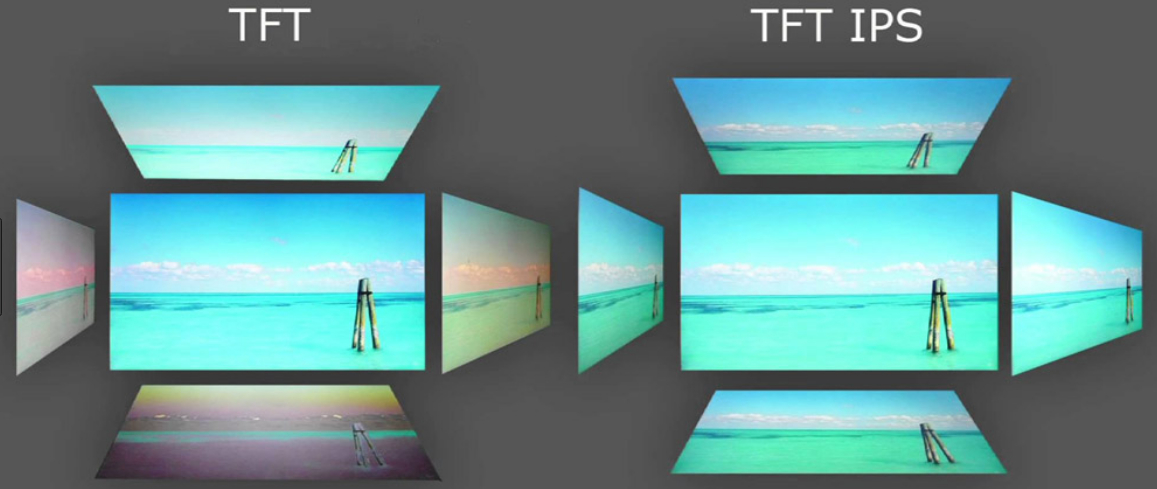
- IPS (In-Plane Switching): This is an enhancement to standard TFT LCDs. Traditional TFTs can suffer from limited viewing angles and color shift. IPS technology alters the alignment of the liquid crystals, switching them in a plane parallel to the display panels.
The combination of TFT and IPS results in a display that offers the best of both worlds: the high resolution and color capability of TFT, with the wide viewing angles and color consistency of IPS.
Key Advantages of IPS TFT Displays
1. Unmatched Viewing Angles
This is the most significant benefit of IPS technology. Unlike standard TFTs where colors invert or fade when viewed from the side, IPS displays maintain consistent color and brightness at viewing angles of up to 178 degrees both horizontally and vertically. This makes them ideal for devices that will be viewed by multiple people or from non-straight-on positions.
2. Vivid and Consistent Color Reproduction
IPS panels are renowned for their excellent color accuracy and gamut. They can typically produce more colors with greater fidelity than other LCD technologies, making them perfect for applications where color precision is critical, such as in graphic design, medical imaging, or high-end consumer gadgets.
3. Superior Image Quality and Sharpness
With high resolutions ranging from QVGA to Full HD and beyond, IPS TFT displays offer exceptional clarity and sharpness. The high pixel density ensures that text is crisp and images are detailed, reducing eye strain during prolonged use.
4. Enhanced Durability and Reliability
Designed for the rigors of industrial and commercial use, many IPS TFT displays feature robust construction. They often come with:
- Stronger Glass Substrates: Resistant to scratches and impacts.
- Wide Operating Temperature Ranges: Capable of performing reliably in both extremely cold and hot environments.
- Extended Lifespan: Built for long-term, 24/7 operation, which is crucial for kiosks, industrial HMIs, and medical equipment.
5. Excellent Sunlight Readability
Many modern IPS TFT modules are available with high-brightness options (e.g., 800 nits to 1000+ nits) and optical bonding technology. Optical bonding reduces glare and reflections by filling the air gap between the LCD and the touchscreen or cover glass. This results in outstanding sunlight readability, a must-have for outdoor applications, automotive dashboards, and portable devices.
Common Applications of IPS TFT Displays
Due to their robust feature set, IPS TFT displays are the preferred choice across a wide spectrum of industries:
- Industrial Human-Machine Interfaces (HMIs): For factory automation and control systems where wide viewing angles and reliability are paramount.
- Medical Devices: Patient monitors, diagnostic equipment, and surgical displays where color accuracy and readability can be a matter of life and death.
- Point-of-Sale (POS) Systems: Retail terminals and self-service kiosks that require consistent display performance for both customers and operators.
- Home Automation and Appliances: High-end thermostats and smart home controllers where aesthetics and clarity are key.
- Automotive: Center console displays and dashboard instrumentation.
- Consumer Electronics: High-quality portable devices, gaming consoles, and smart home displays.
Choosing the Right IPS TFT Display for Your Project
When sourcing an IPS TFT display, consider the following specifications to ensure a perfect fit:
- Size and Resolution: Match the physical size and pixel count to your user interface requirements.
- Brightness: Determine the ambient lighting conditions of the end-use environment.
- Interface: Choose the right interface (e.g., LVDS, MIPI DSI, RGB) that is compatible with your mainboard.
- Touchscreen Option: Decide if you need a resistive or capacitive touchscreen, and whether optical bonding is necessary.
- Operating Temperature: Ensure the display can withstand the environmental conditions it will be used in.
Ready to Integrate a High-Quality IPS TFT Display?
Browse Our Full IPS TFT Display Catalog Here!
About the Author